

➜ January 8, 2026
➜ Travertine
Travertine Restoration & Repair in Denver, CO
FINALLY, MARBLE THAT SHRUGS OFF ACID.
Professional Travertine Restoration for Denver & the Front Range
Travertine is a natural stone known for its warm tones, distinctive texture, and characteristic surface pores. Over time, foot traffic, moisture, acidic spills, and everyday use can leave travertine floors, showers, and countertops scratched, dull, stained, or damaged.
Colorado Stone & Tile Care provides professional travertine cleaning, restoration, honing, polishing, sealing, and surface repairs throughout Denver and the surrounding Front Range. Our restoration process can address worn finishes, exposed pits, and damaged areas while maintaining the natural character of your travertine.
Travertine forms near natural hot springs. As it develops, escaping gases leave voids and air pockets throughout the stone. It is one of the most common surfaces we work on, most often on natural stone floors, but also on countertops and in showers. Like marble, travertine is sensitive to acid etching and scratching.
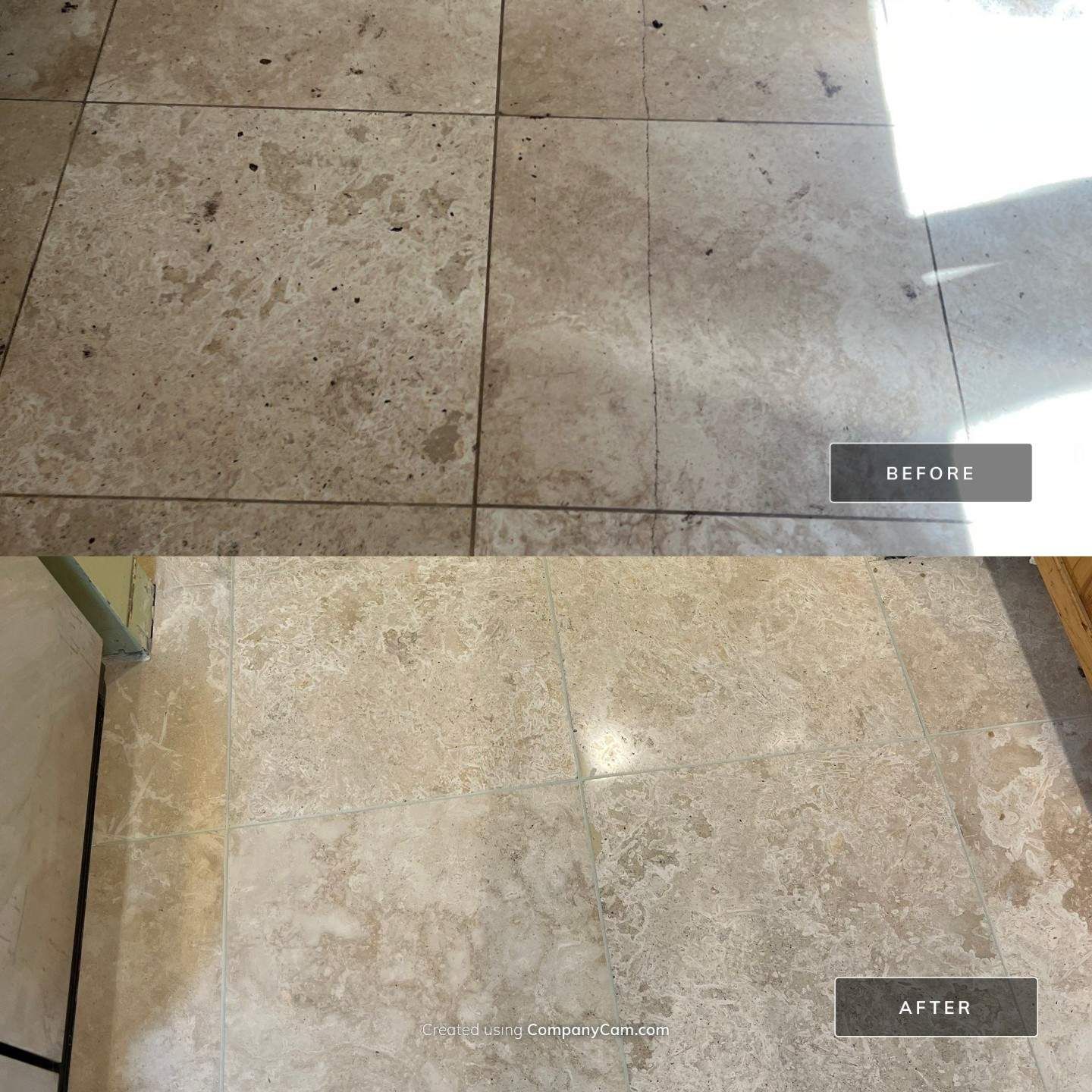
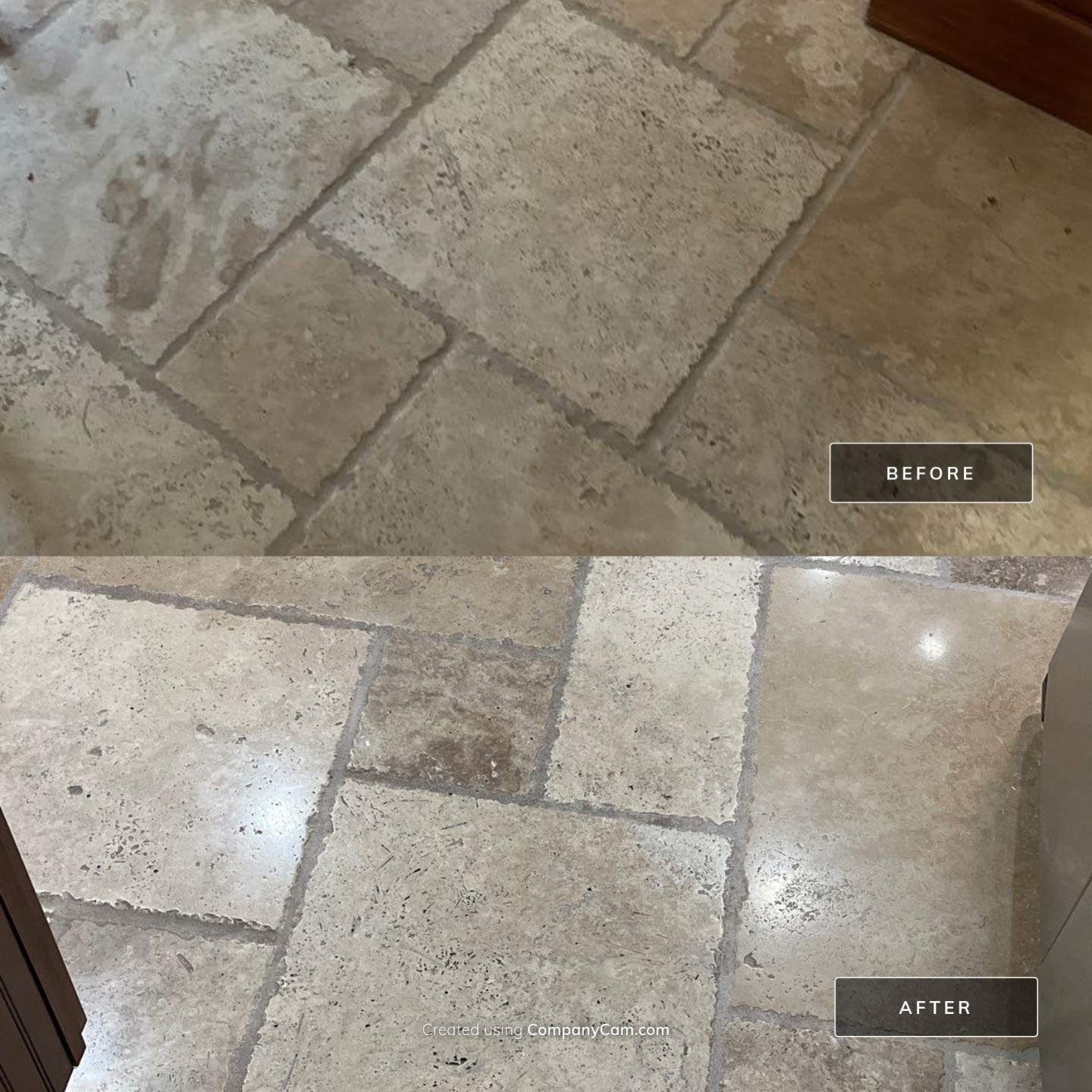
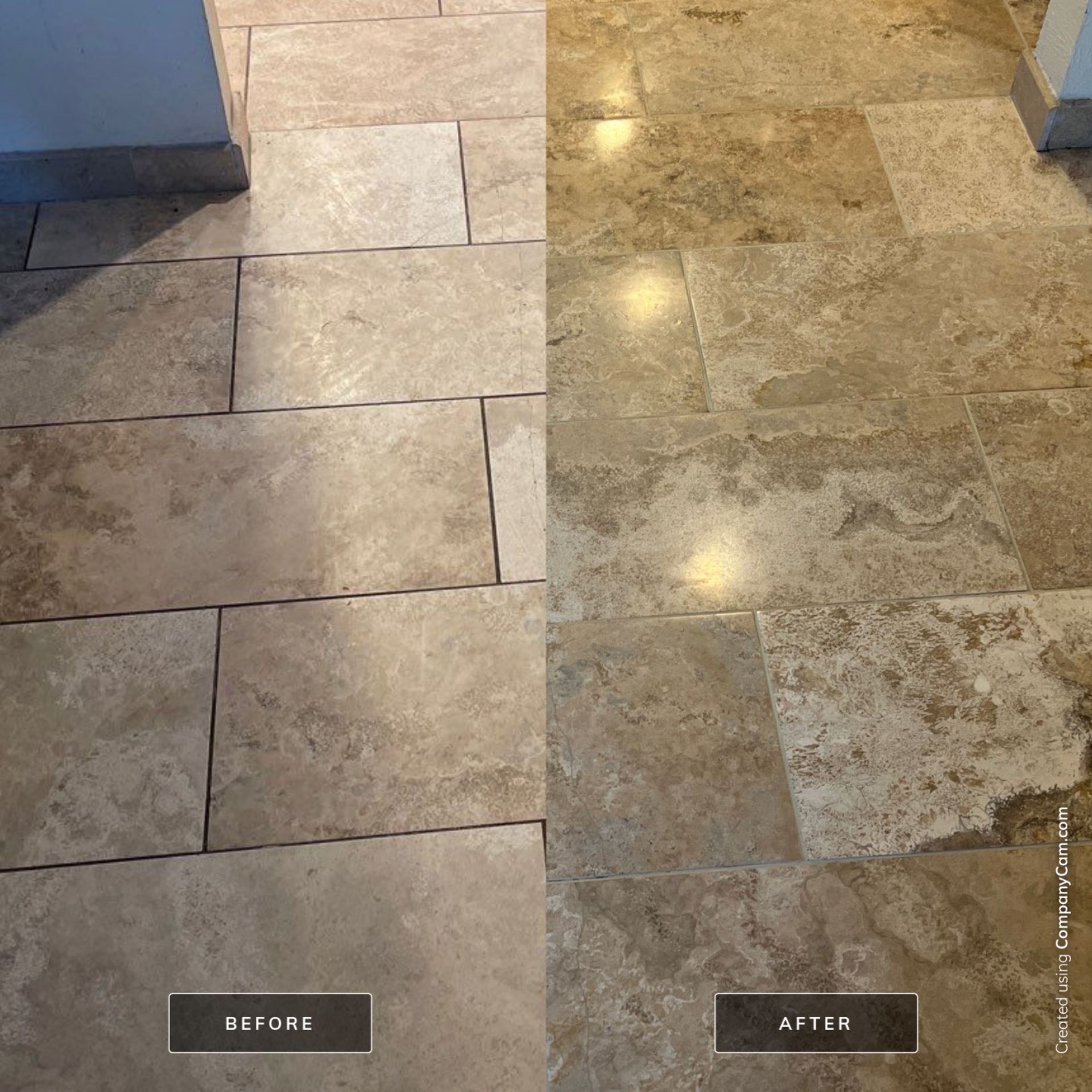
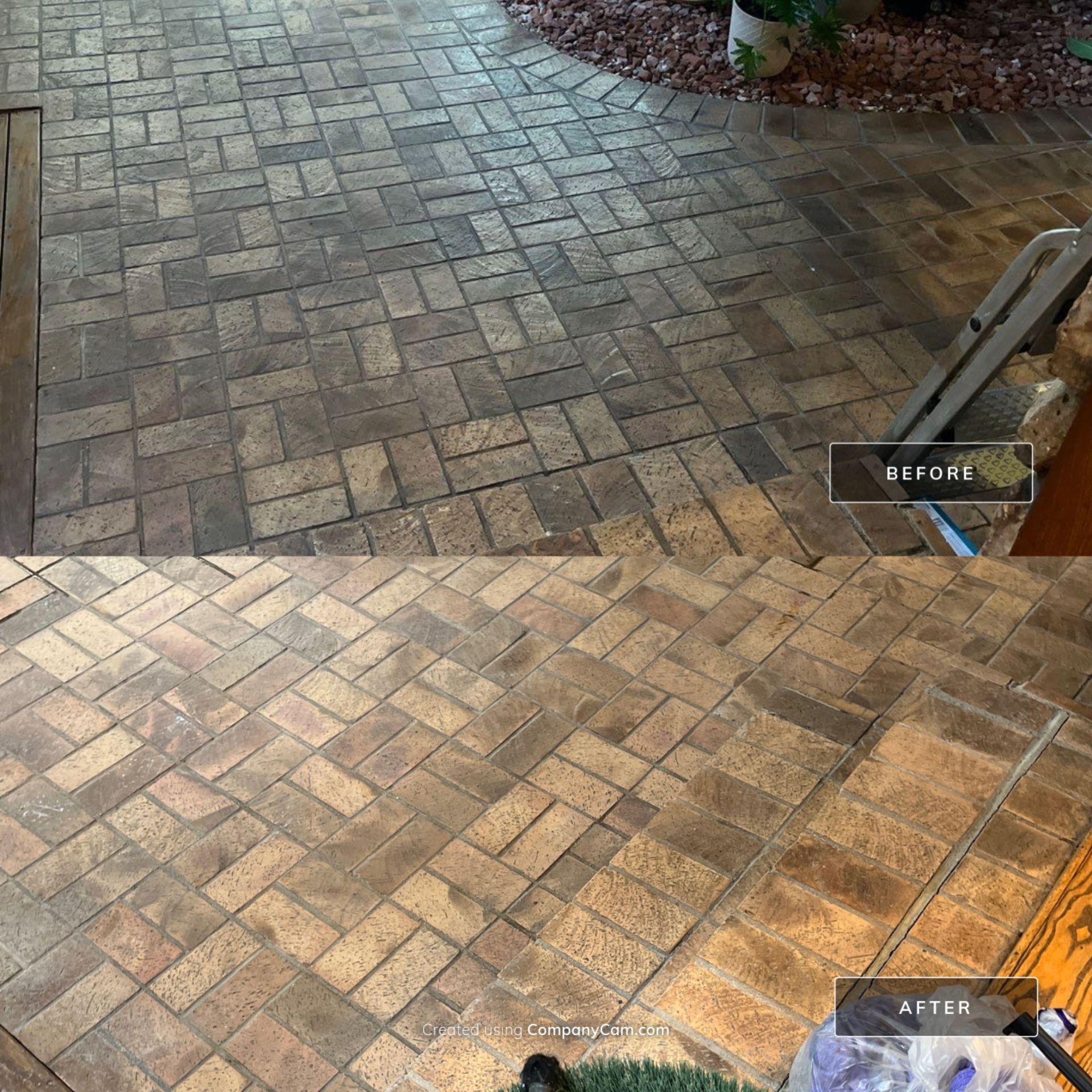
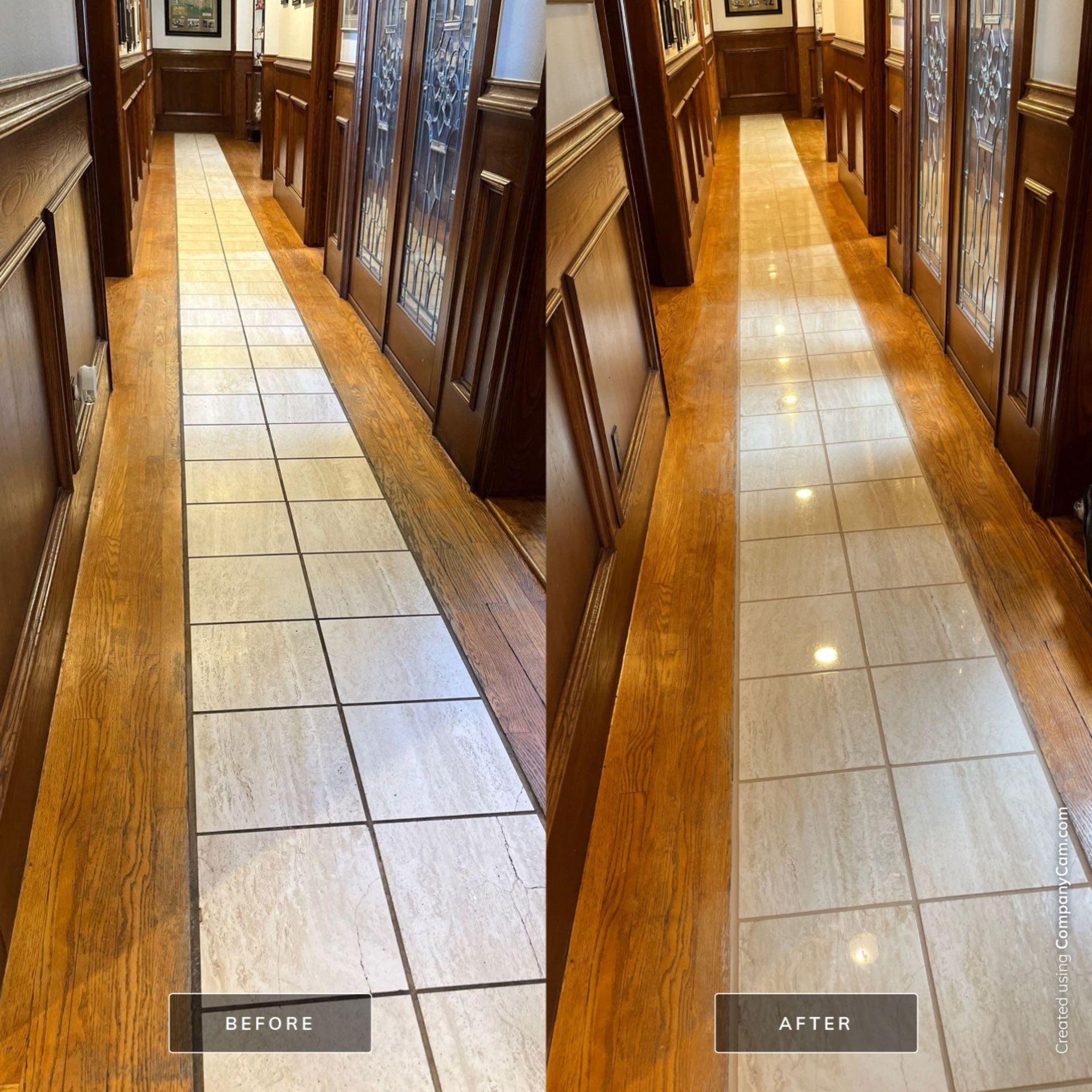
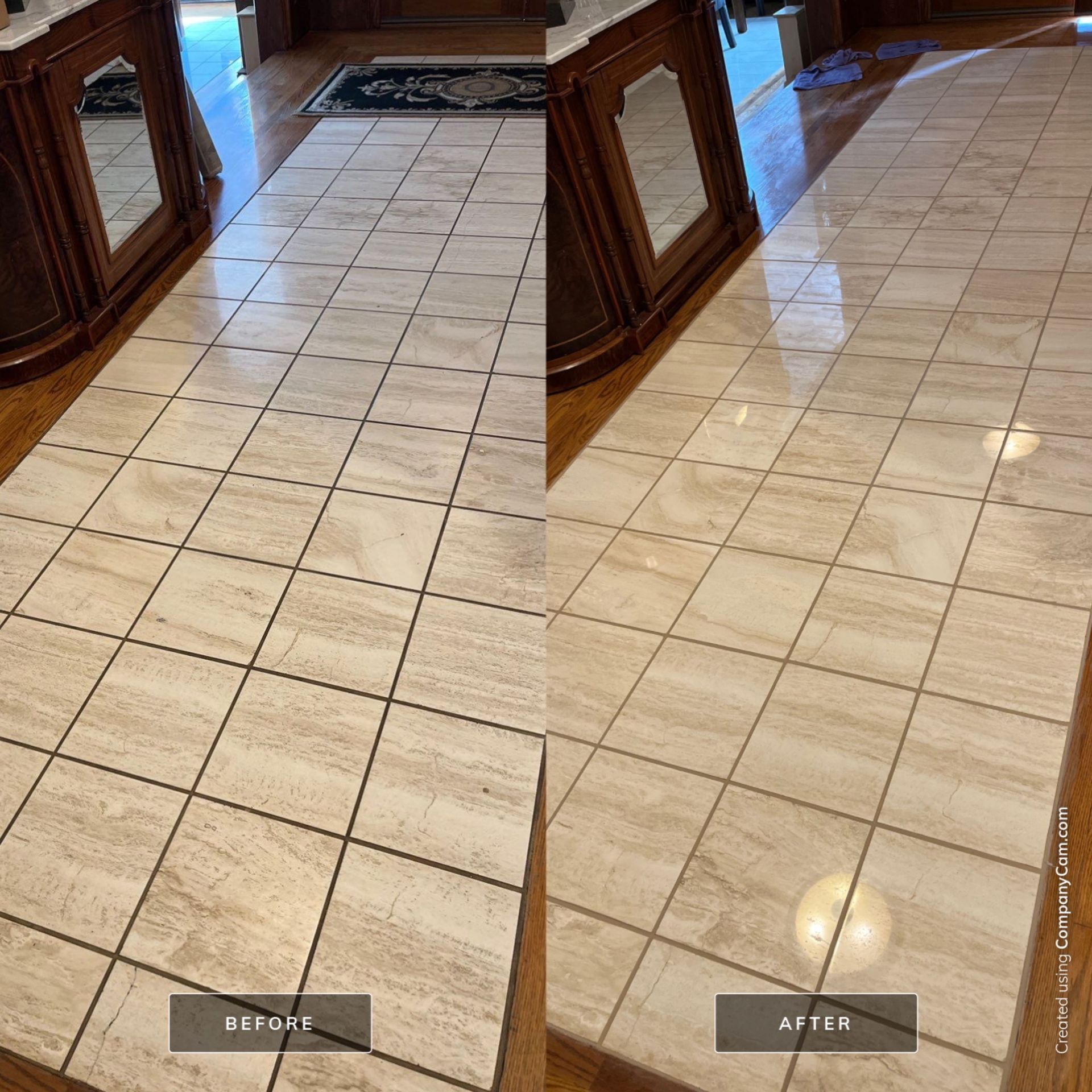
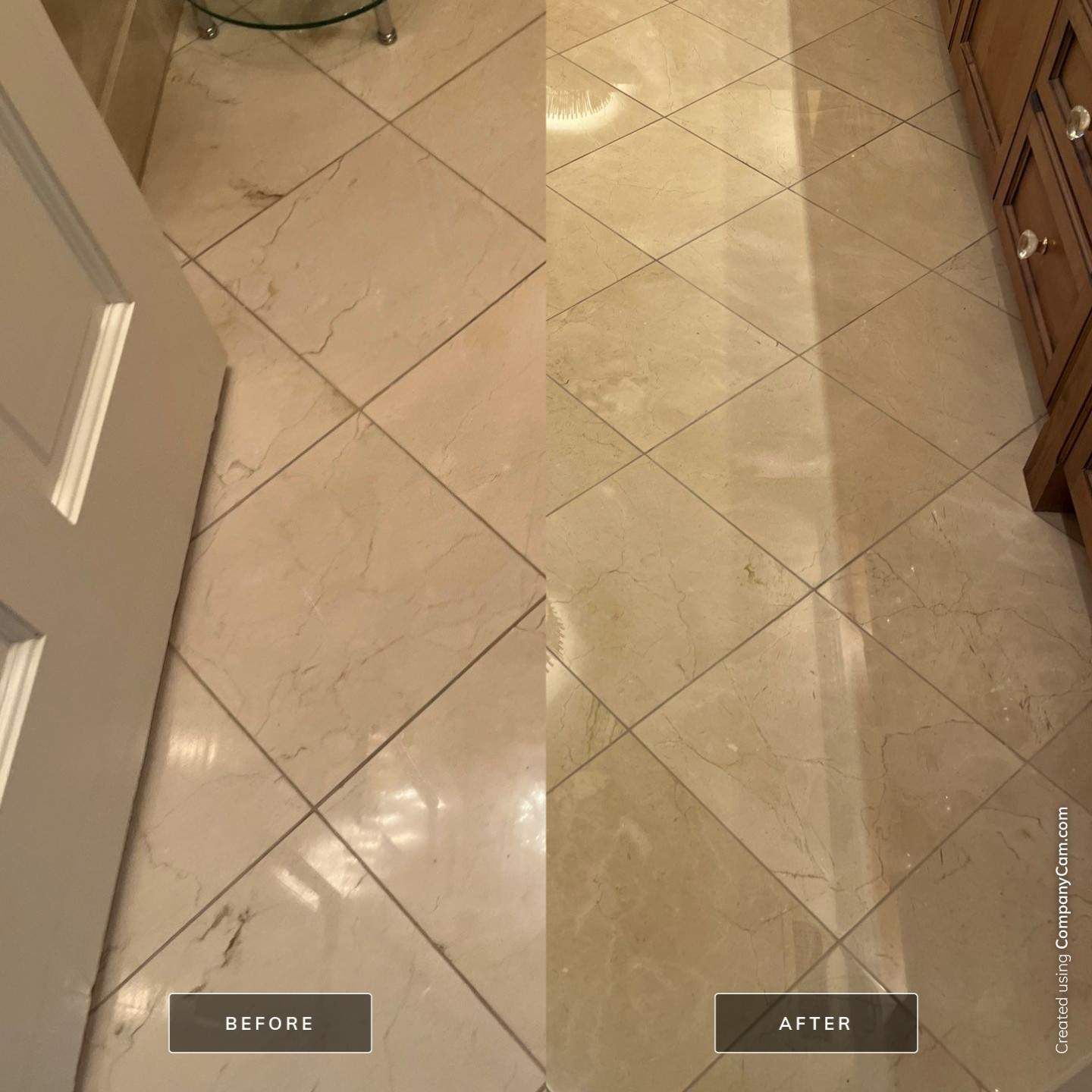
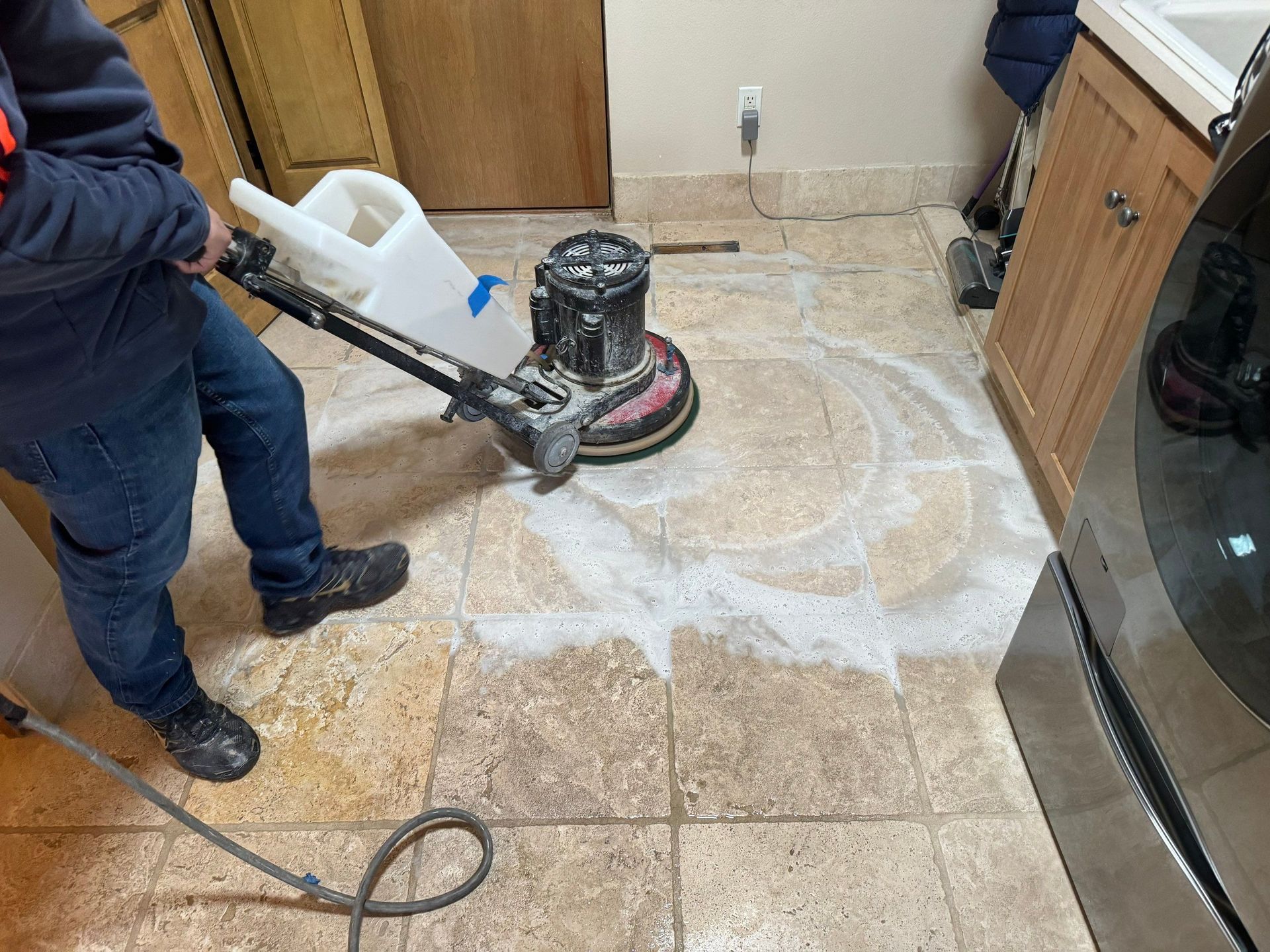
To bring it back, we diamond refinish the surface to remove superficial imperfections, then complete the final honed or polished finish.
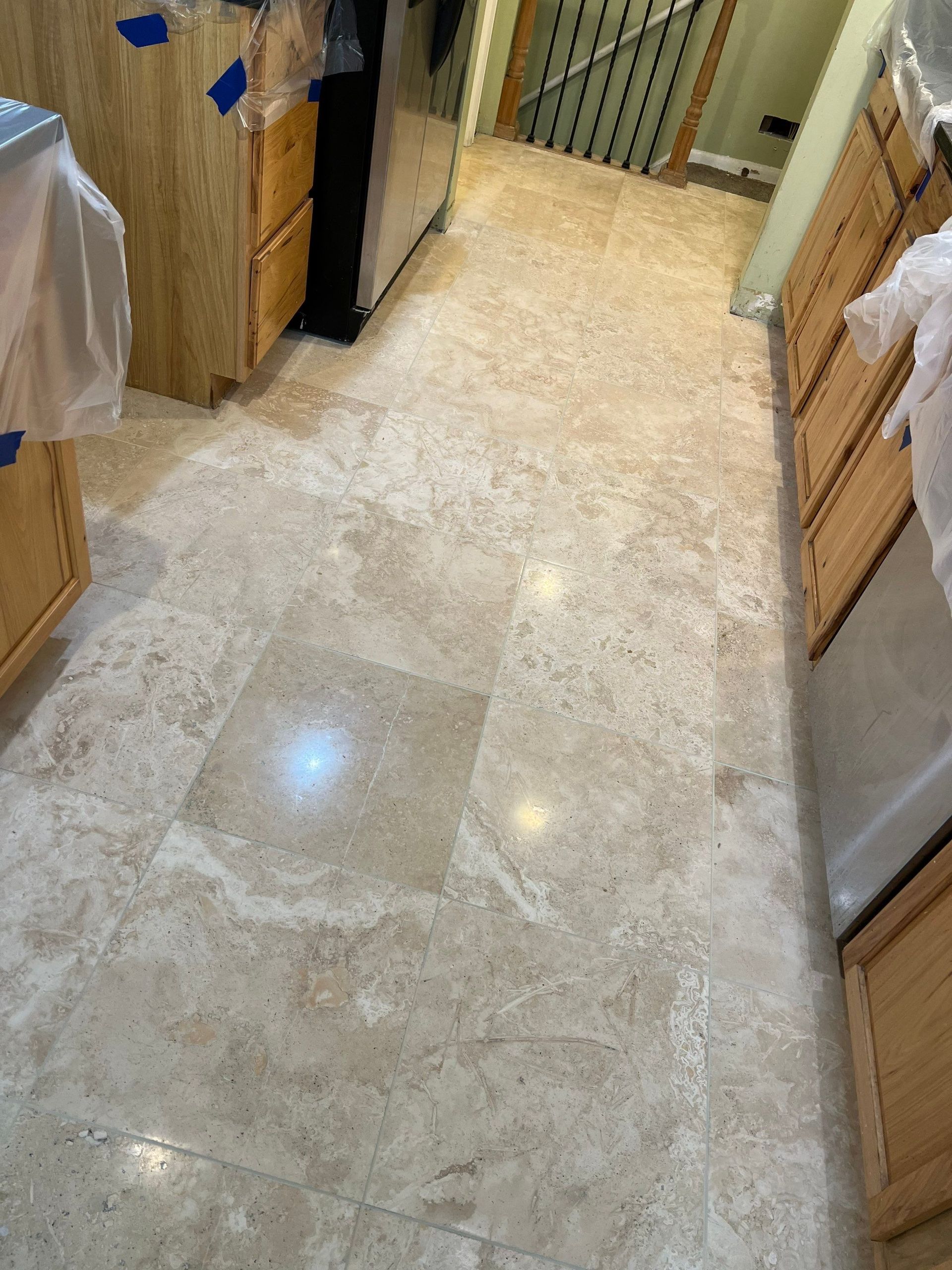
Travertine also contains natural pits. Surface pits are filled during manufacturing, but subsurface pits cannot be. As a floor wears, the thin top layer of the stone can wear away and expose these unfilled pits.
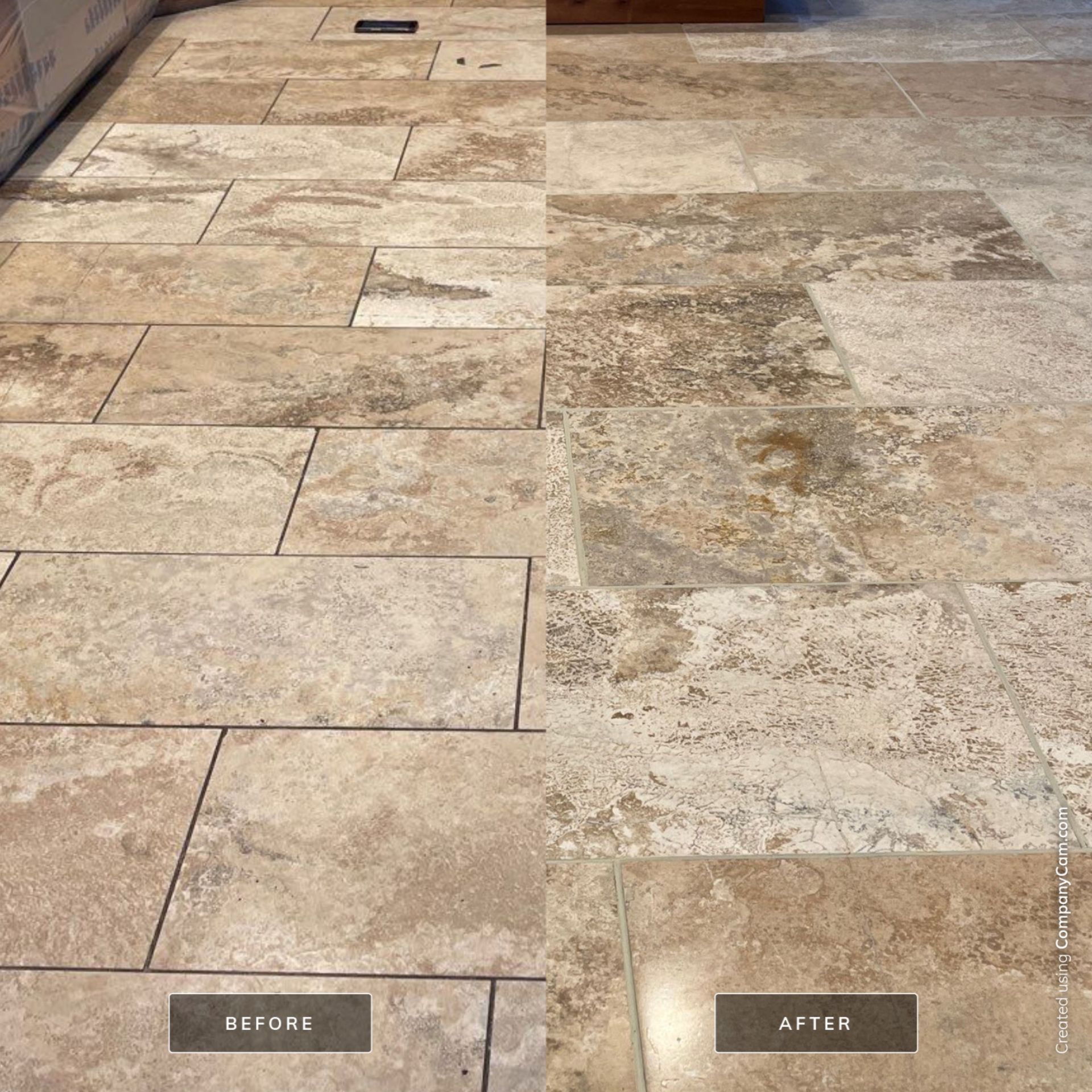
This is not as serious as it sounds. Across a standard installation, typically only two to three tiles need repair. We clean out the pitting, fill the pits with a color-matched polyester resin, and slightly overfill each one to account for shrinkage. Once cured, the filler is sanded flush and the area is refinished to blend with the rest of the surface. Cracked tiles and hearths can also be repaired through our stone chip, crack and seam repair service.


FREQUENTLY ASKED QUESTIONS.
What makes travertine different from other natural stone surfaces?
Travertine is a natural limestone formed by mineral deposits from hot springs. Unlike granite or quartz, it has small natural holes and a more porous structure. This unique texture gives travertine its distinctive appearance but also makes it more vulnerable to staining and etching. In homes throughout Denver, travertine is commonly used for floors, showers, and countertops. Colorado Stone & Tile Care provides specialized services that protect the stone’s natural beauty while addressing its unique maintenance needs.
Why does travertine require professional maintenance?
Travertine’s porous surface allows liquids, dirt, and acidic substances to penetrate the stone if it is not properly sealed or maintained. Over time, this can cause discoloration, dullness, and surface damage. Professional maintenance involves deep cleaning, polishing, sealing, and sometimes repairing the stone’s natural pits. Colorado Stone & Tile Care uses specialized equipment and stone-safe solutions designed specifically for travertine to restore its appearance while preserving the stone’s structural integrity.
What are the common signs that travertine needs restoration?
Homeowners often notice dull or uneven shine, visible scratches, etched spots, or dark stains on travertine surfaces. The natural holes in the stone may also become more noticeable if fillers wear away. In high-traffic areas such as kitchen floors or hallways, the stone may look worn compared to less-used sections. Colorado Stone & Tile Care evaluates these signs carefully and determines the best restoration process to bring the surface back to a smooth, uniform appearance.
Can stained travertine surfaces be restored?
In many cases, stains on travertine can be removed through professional restoration techniques. Depending on the type of stain—such as oil, water, or organic substances—specialized cleaning solutions and poultices may be used to draw contaminants out of the stone. In deeper cases, surface honing may be required. Colorado Stone & Tile Care carefully assesses each stain and uses targeted treatments to restore the stone without causing additional damage.
How often should travertine be sealed in Denver homes?
Travertine typically needs resealing every one to three years, depending on how heavily the surface is used. High-traffic areas like kitchens, entryways, and bathrooms may require more frequent sealing. Denver’s dry climate can also affect stone surfaces over time, making proper sealing important for protection against stains and moisture. Colorado Stone & Tile Care evaluates the condition of the stone and applies high-quality sealants designed to extend the lifespan of travertine surfaces.
Can everyday household cleaners damage travertine?
Yes, many common household cleaners contain acidic or harsh chemicals that can damage travertine. Products containing vinegar, lemon, or ammonia can cause etching, which leaves dull marks on the surface. Even some “all-purpose” cleaners may gradually wear down the stone’s finish. Colorado Stone & Tile Care recommends using stone-safe cleaning products and proper maintenance methods to protect travertine from unnecessary damage.
What is the difference between honing and polishing travertine?
Honing and polishing are two different finishing processes used to restore travertine surfaces. Honing removes minor scratches, stains, and uneven textures by smoothing the surface with specialized abrasives. Polishing then enhances the stone’s natural shine and creates a refined finish. Some homeowners prefer a matte honed finish, while others prefer a glossy polished appearance. Colorado Stone & Tile Care can customize the finish based on the client’s design preferences and the condition of the stone.
Why do travertine floors develop small holes or pits over time?
Travertine naturally contains small holes formed during the stone’s geological formation process. These holes are often filled during installation, but the fillers can wear away with regular use, especially in high-traffic areas. When this happens, the holes may reappear and trap dirt or debris. Colorado Stone & Tile Care provides professional hole-filling and resurfacing services to restore the stone’s smooth appearance and maintain a consistent finish.
Can damaged travertine tiles be repaired instead of replaced?
In many cases, damaged travertine can be repaired rather than replaced. Chips, cracks, scratches, and worn areas can often be restored using specialized stone repair techniques. Professionals can blend repairs with the surrounding stone so the restoration looks natural. Colorado Stone & Tile Care evaluates the severity of the damage and recommends the most practical solution, helping homeowners preserve their original stone surfaces whenever possible.
How can homeowners protect travertine floors in high-traffic areas?
Using entry mats, area rugs, and furniture pads can significantly reduce wear on travertine floors. Dirt and sand particles tracked into the home can act like abrasives, gradually scratching the stone’s surface. Regular sweeping and using stone-safe cleaning products also help preserve the finish. Colorado Stone & Tile Care often recommends protective strategies along with periodic professional maintenance to keep travertine floors looking their best.
➜ Project Results
See Our Travertine Results
Take a look at completed projects and see how professional restoration can improve the appearance of worn and damaged stone surfaces.
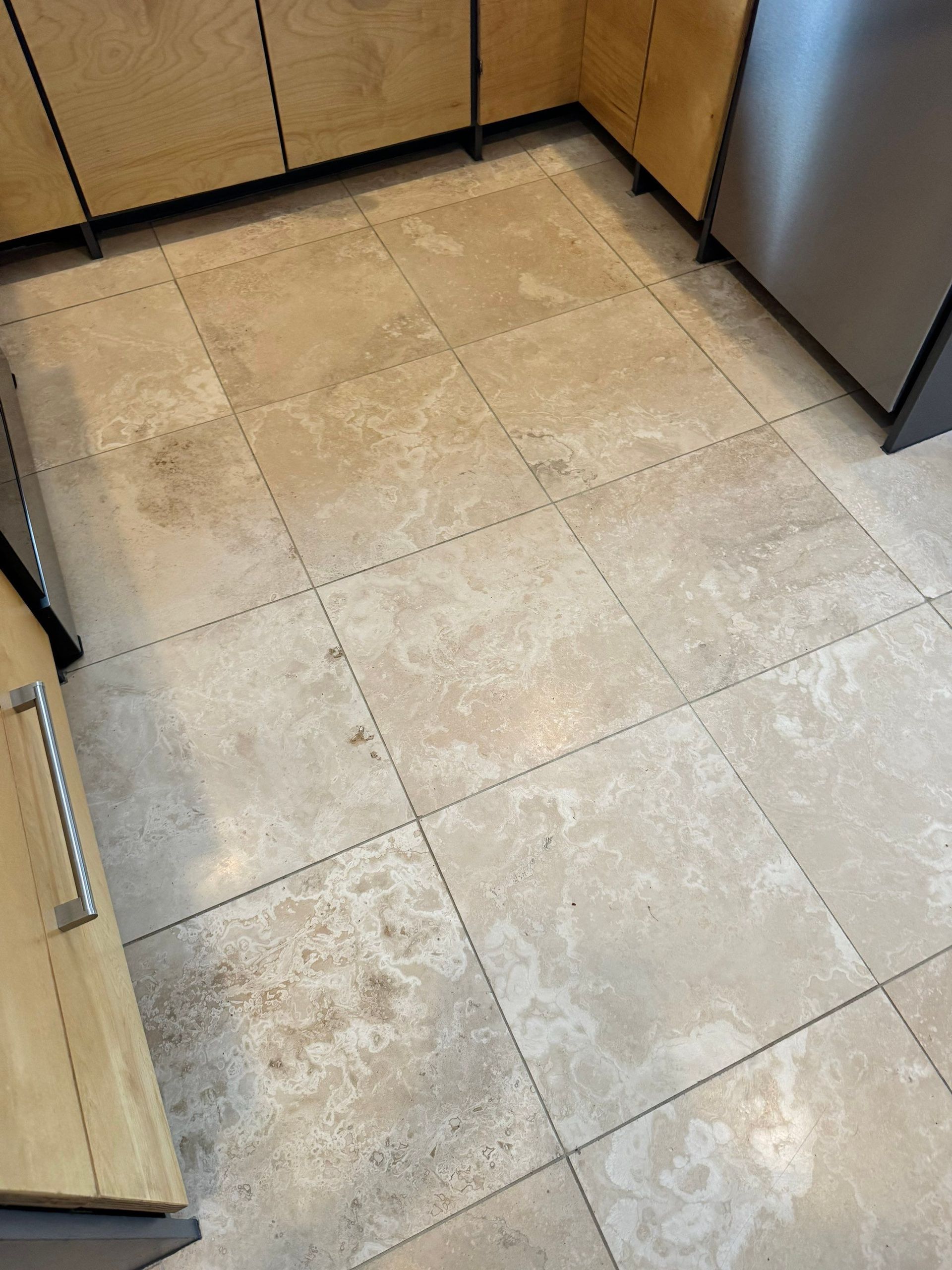
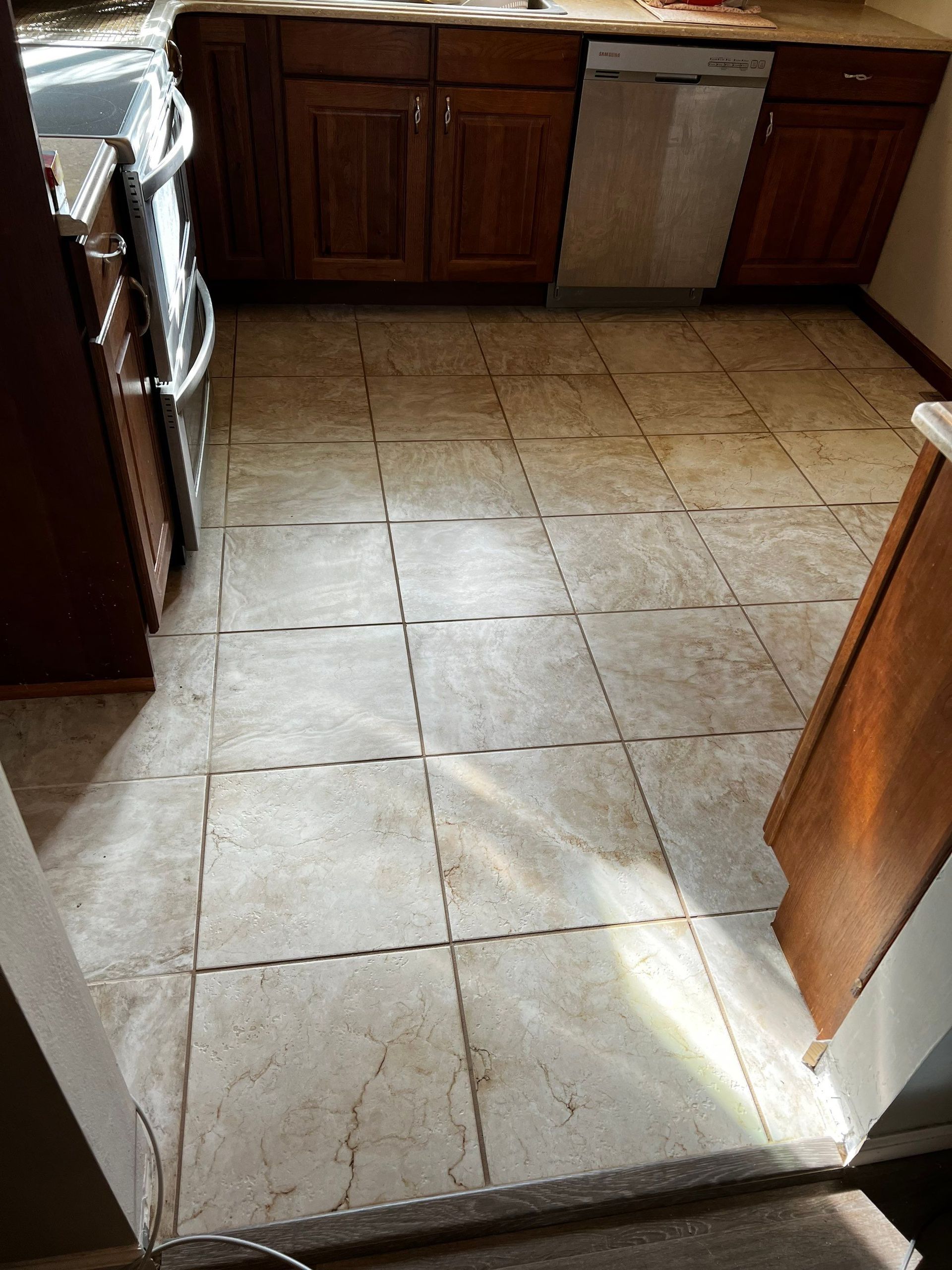
Travertine – Floor Restoration
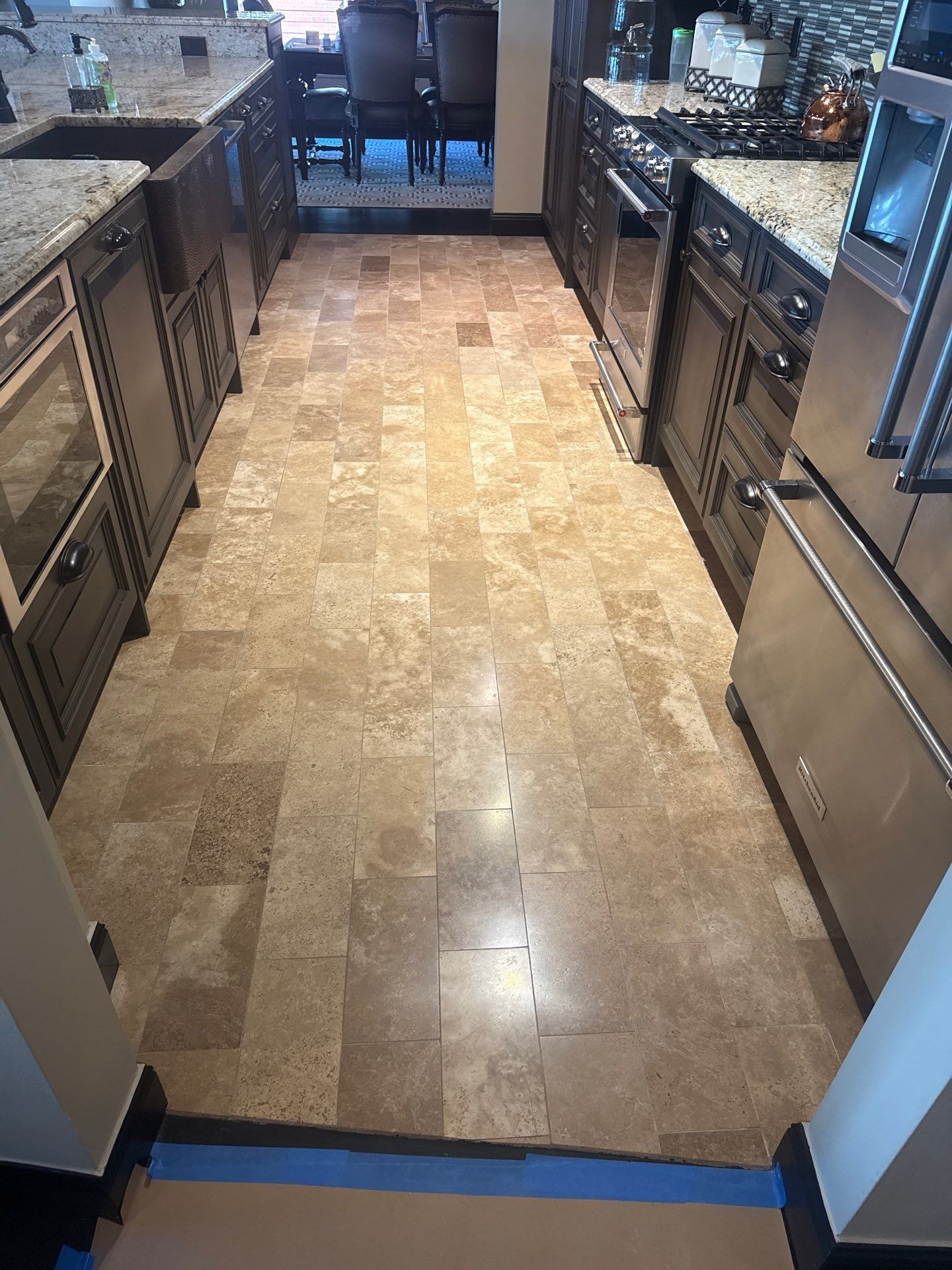
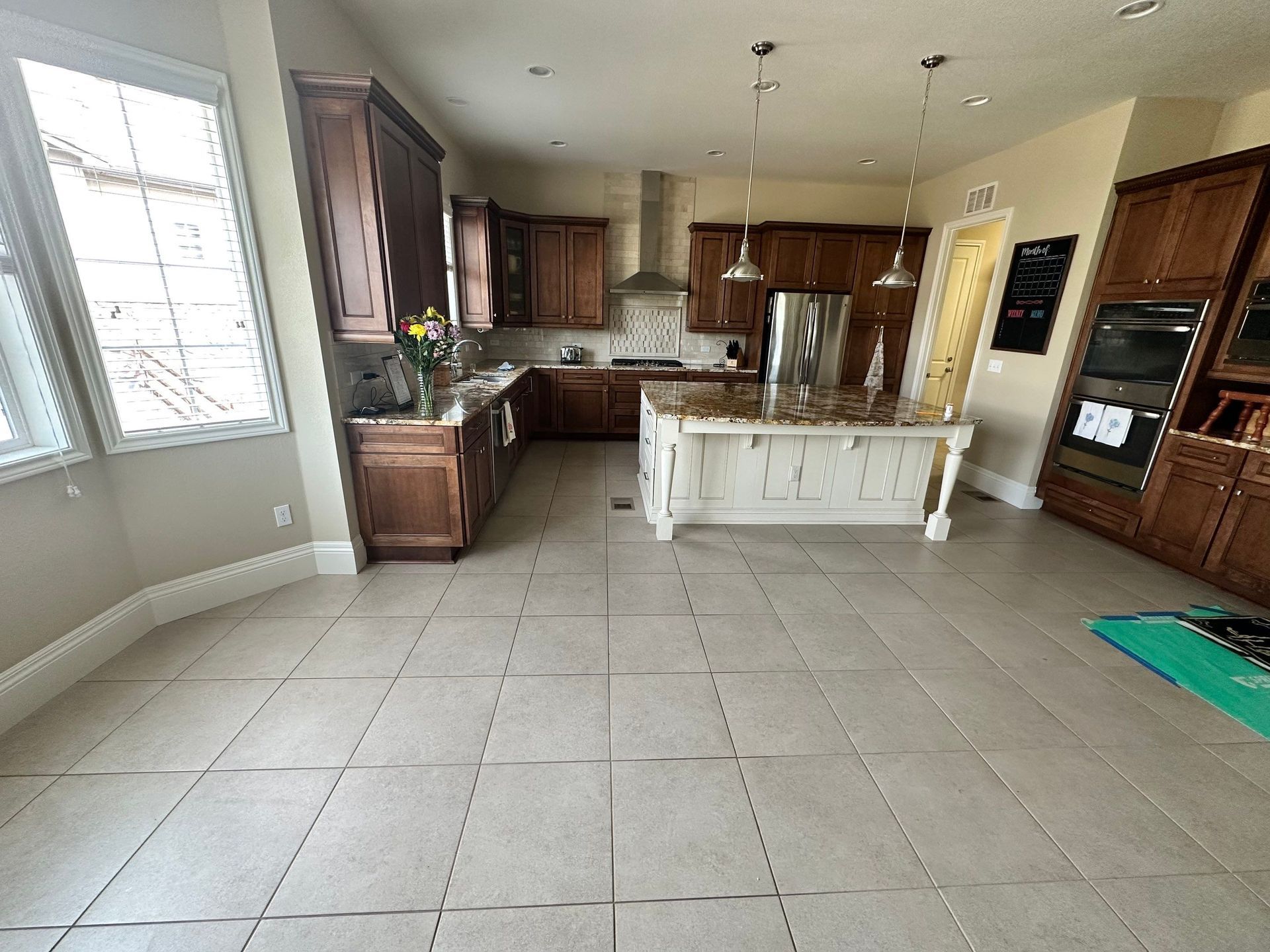
Large-format travertine tiles in the kitchen and bathrooms cleaned and refinished to remove visible wear.
➜ Denver, CO
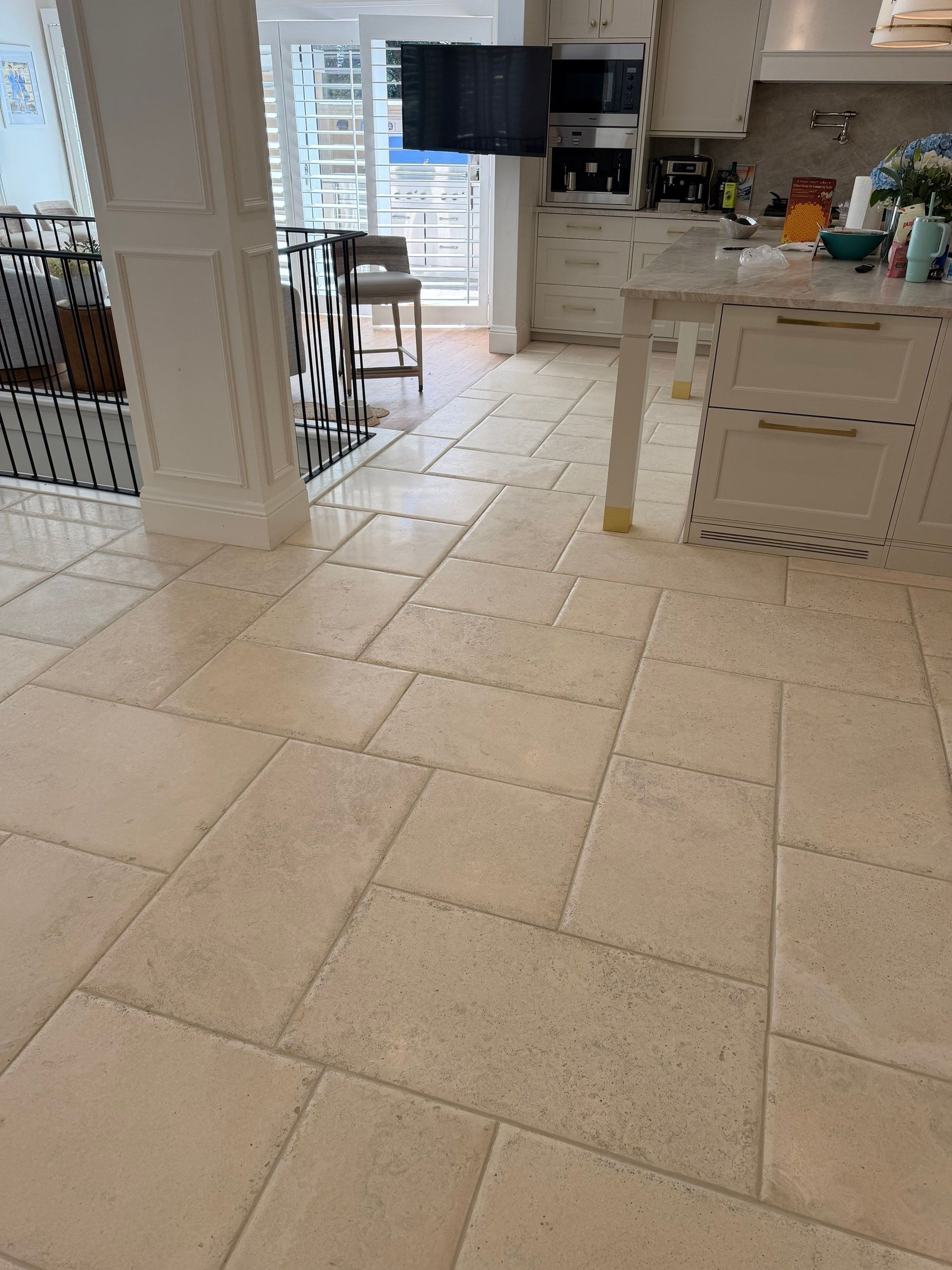
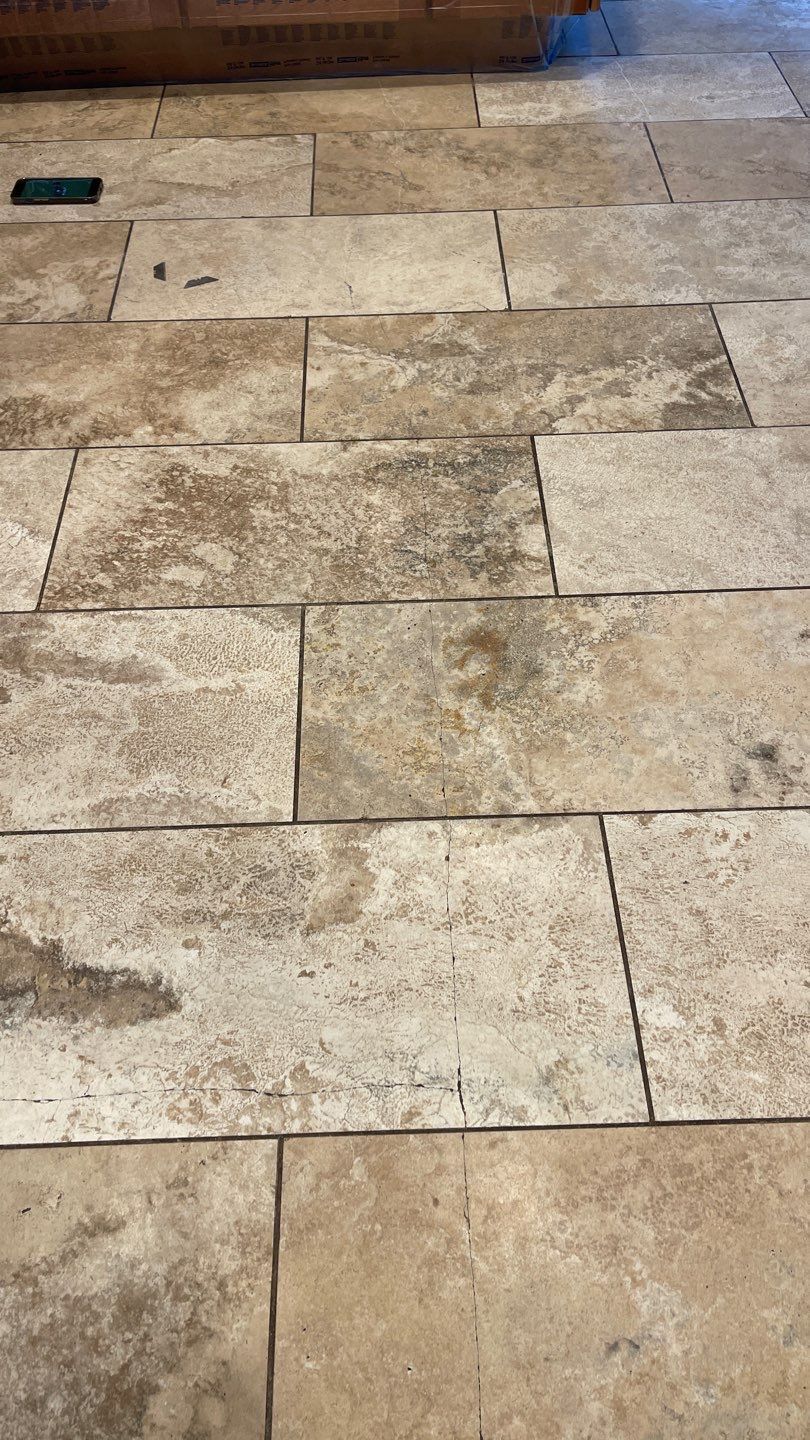
Travertine – Floor Restoration & Crack Repair
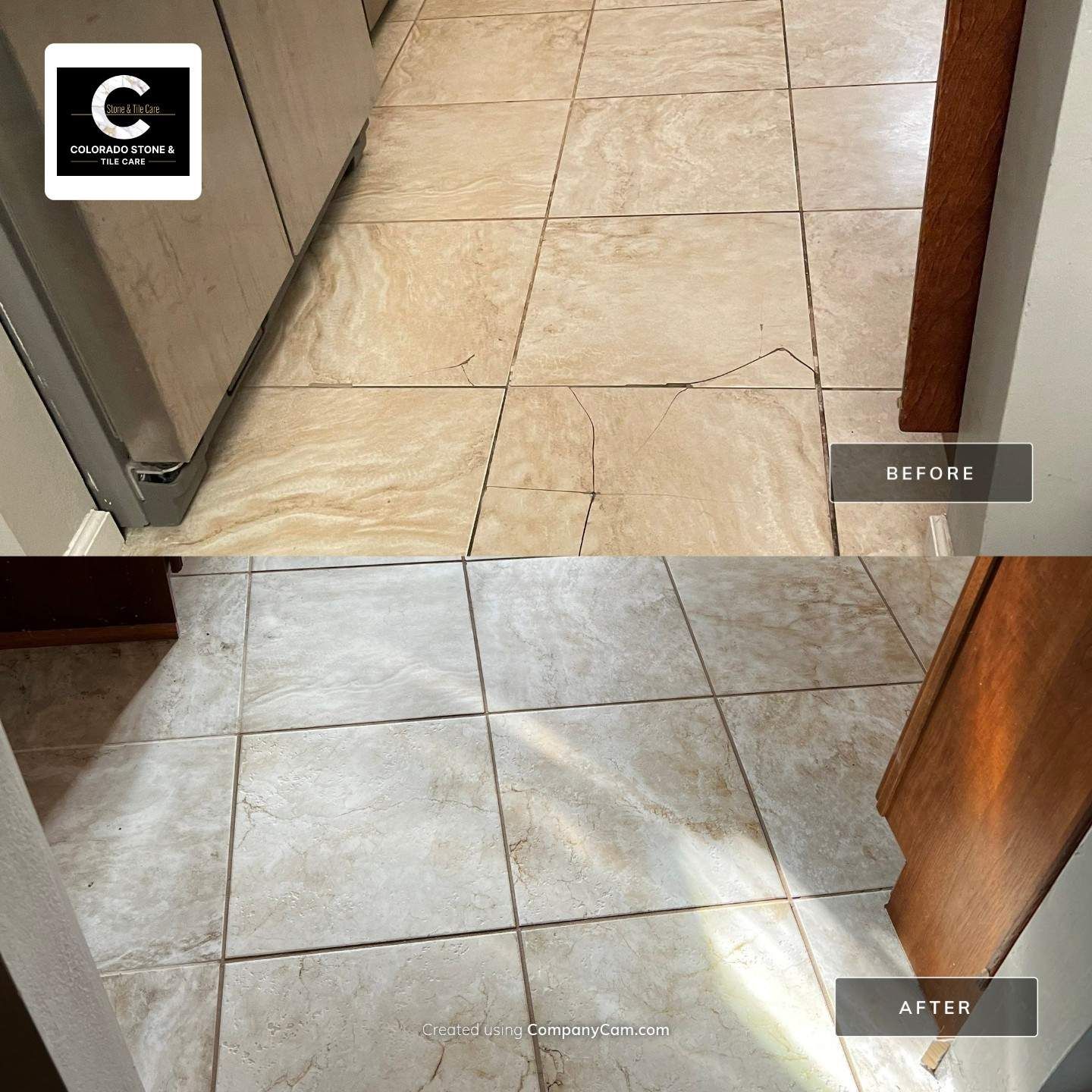
Hairline floor cracks, a fractured hearth corner and a cracked stair tread repaired as part of a full travertine restoration.
➜ Englewood, CO
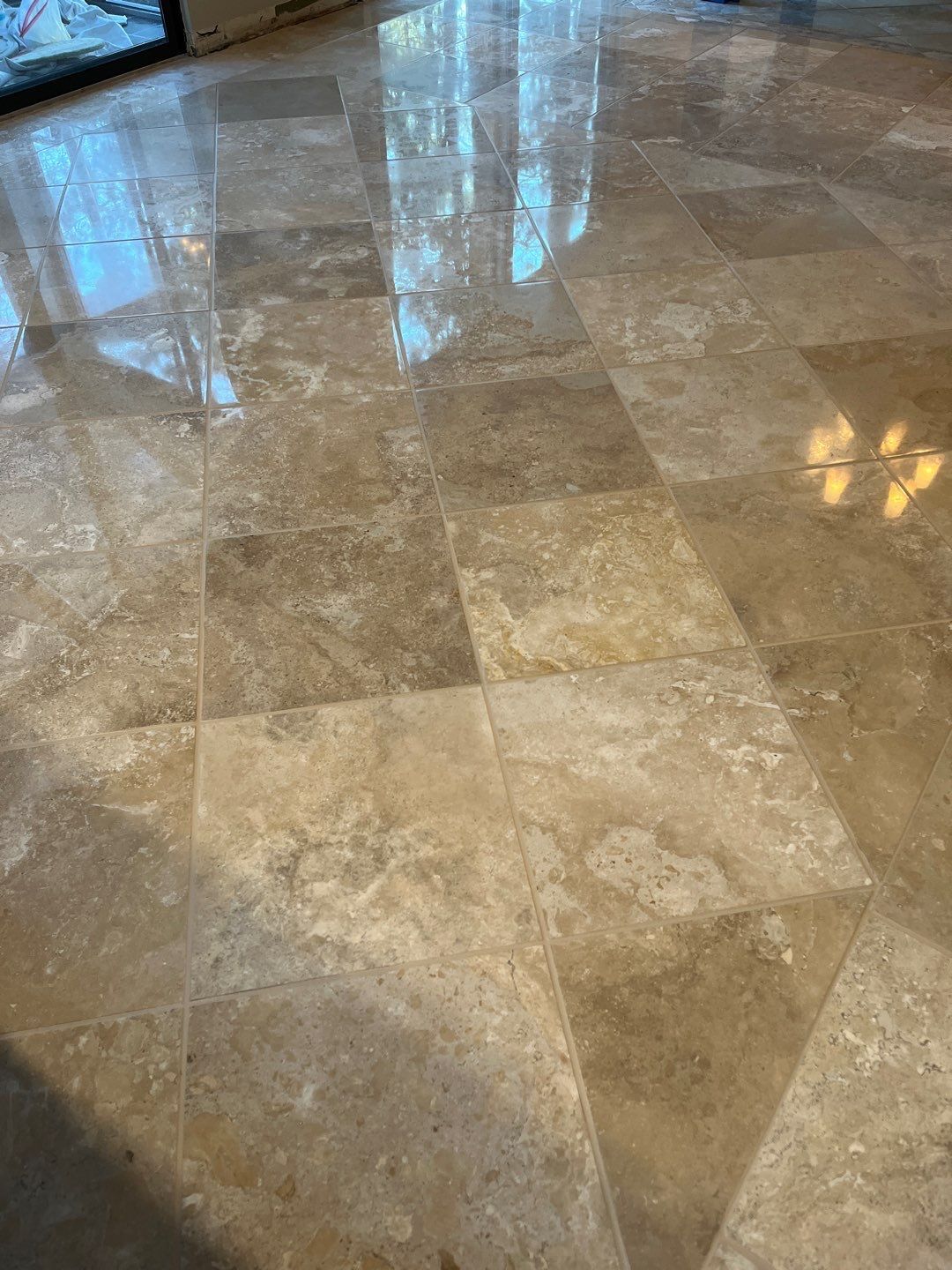
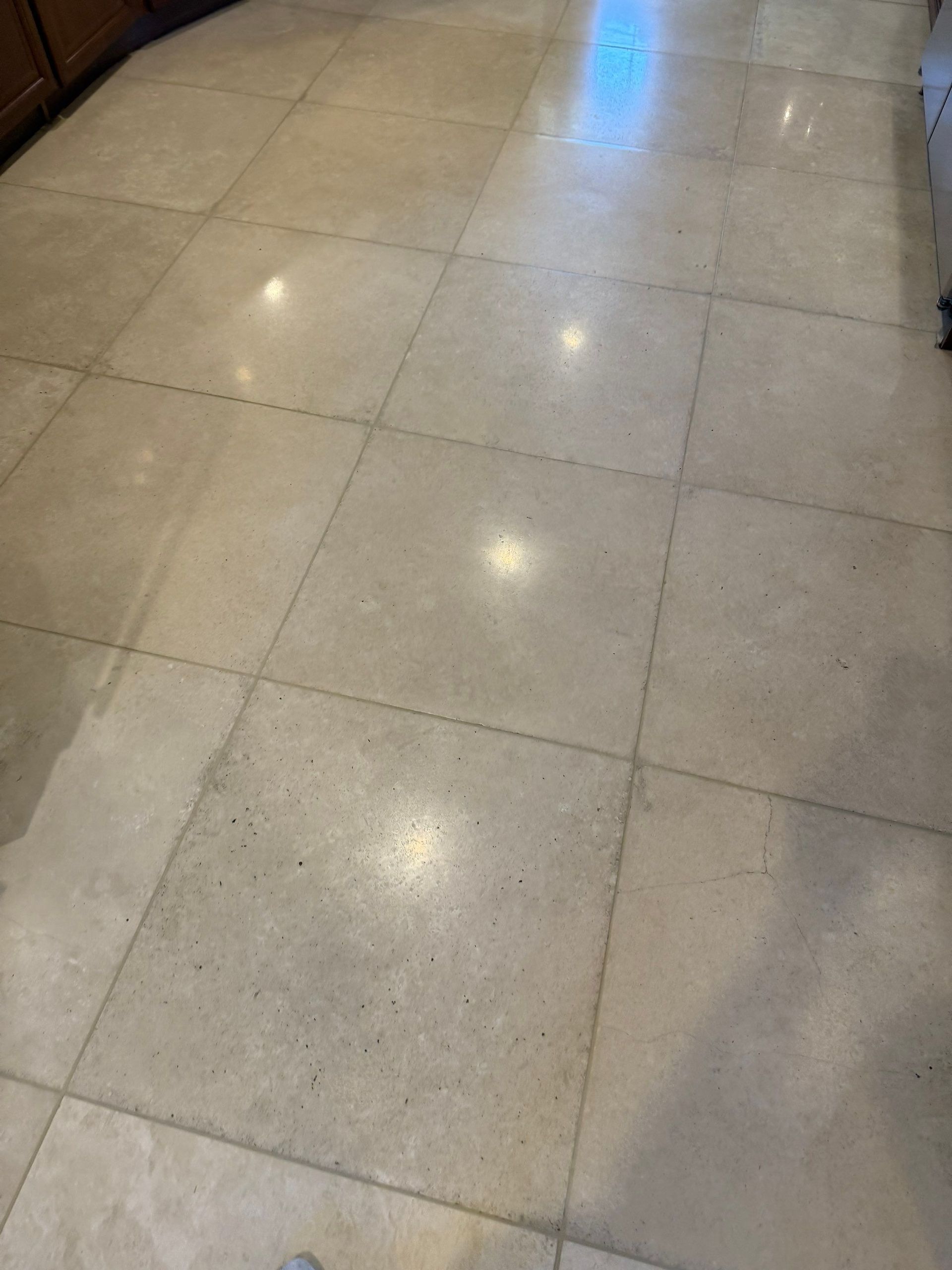
Travertine – Coating Removal & Polishing
A scratched, dark wax coating stripped, the floor diamond refinished and repolished, and the grout color sealed.
➜ Monument, CO
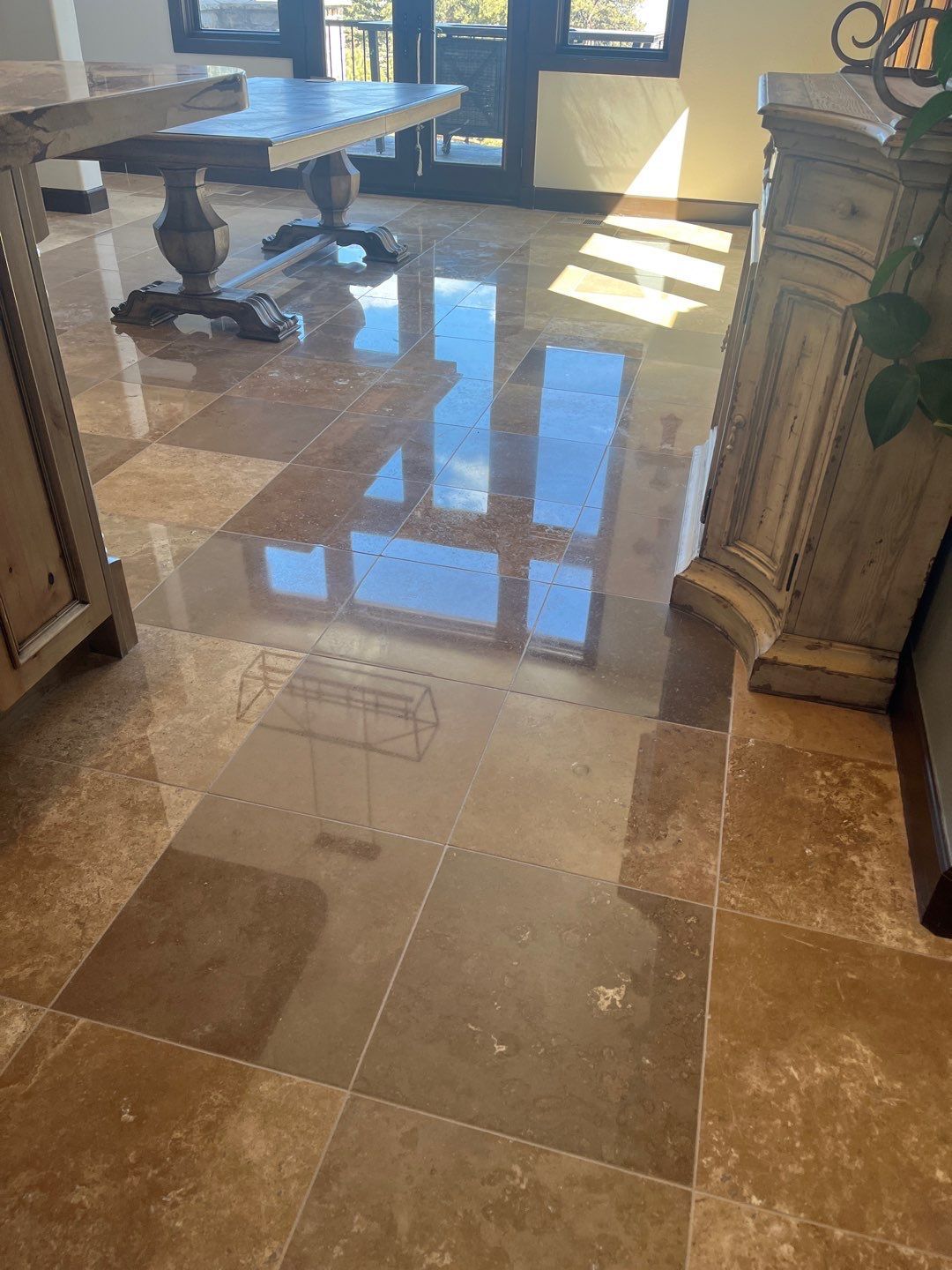
Travertine – Refinishing & Polishing
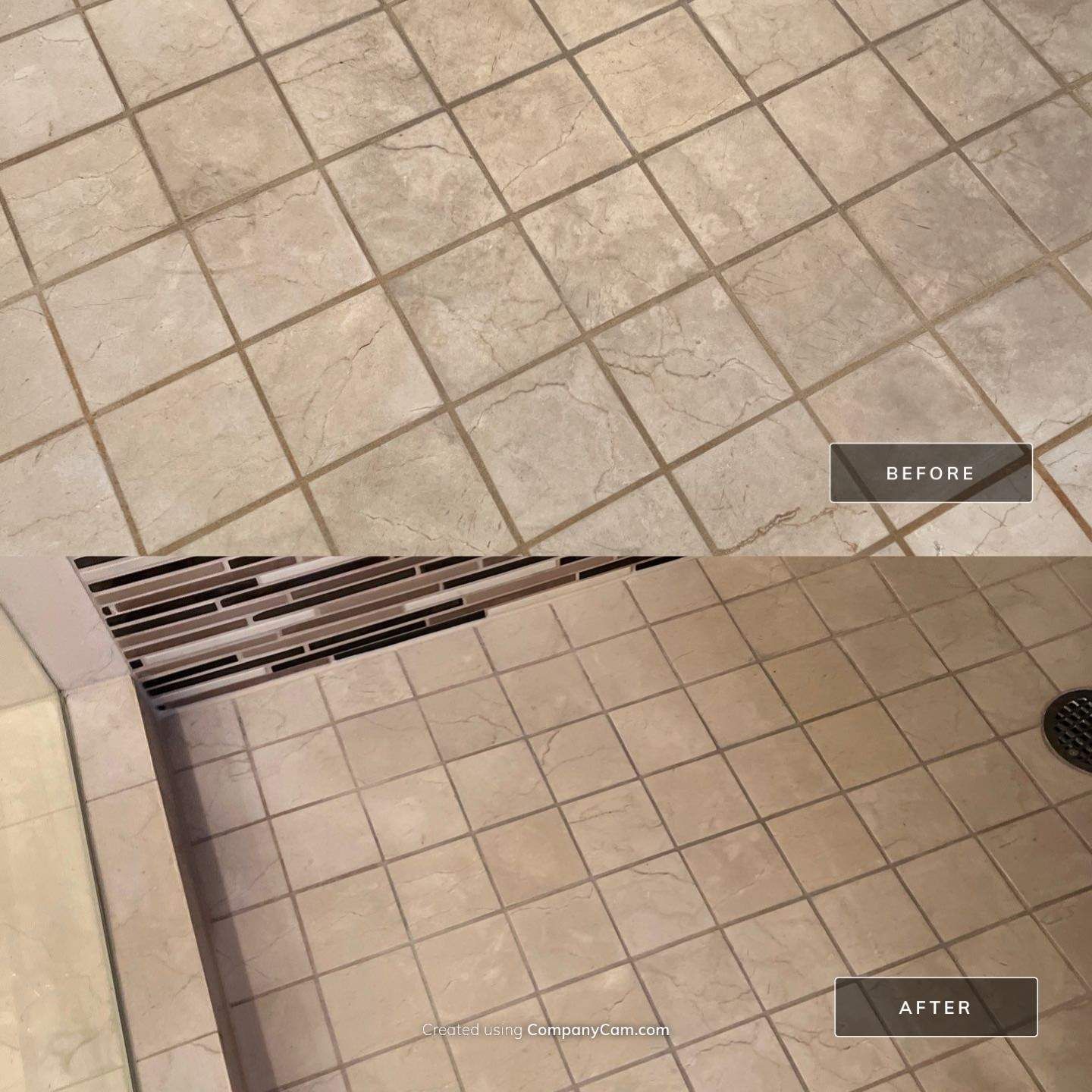
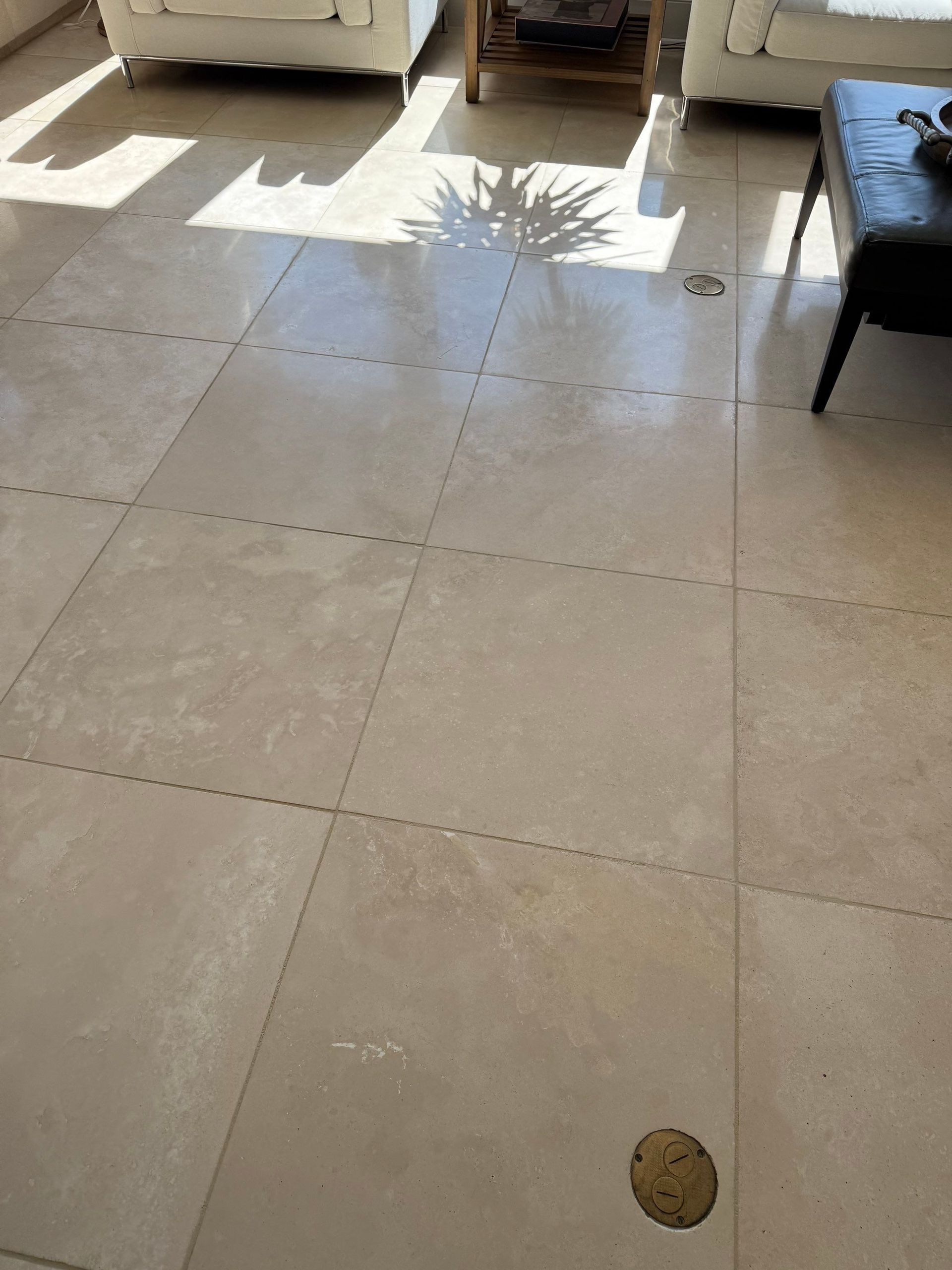
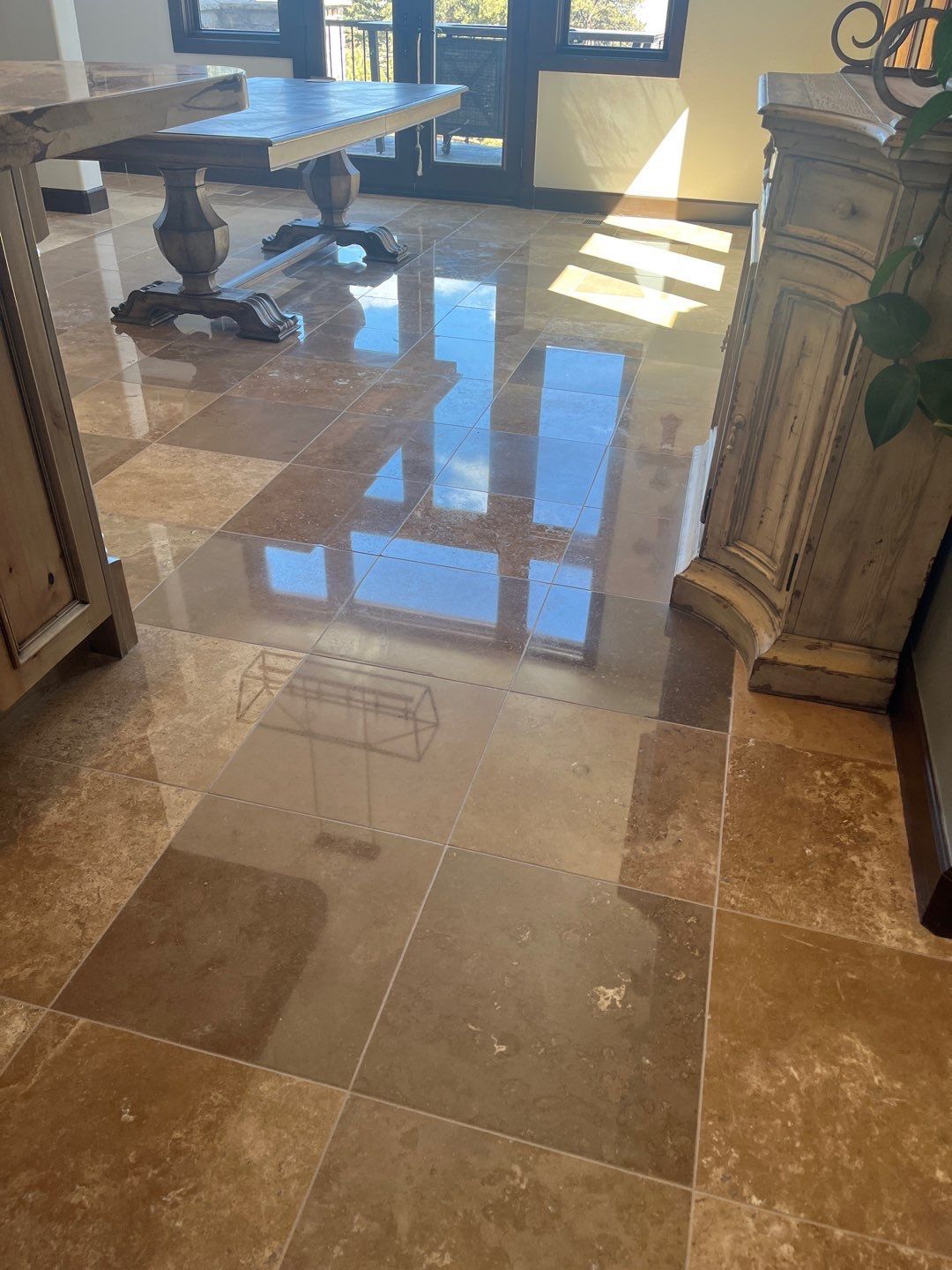
Scratches and etches removed by diamond refinishing, followed by a high-gloss polish and color-sealed grout.
➜ Golden, CO
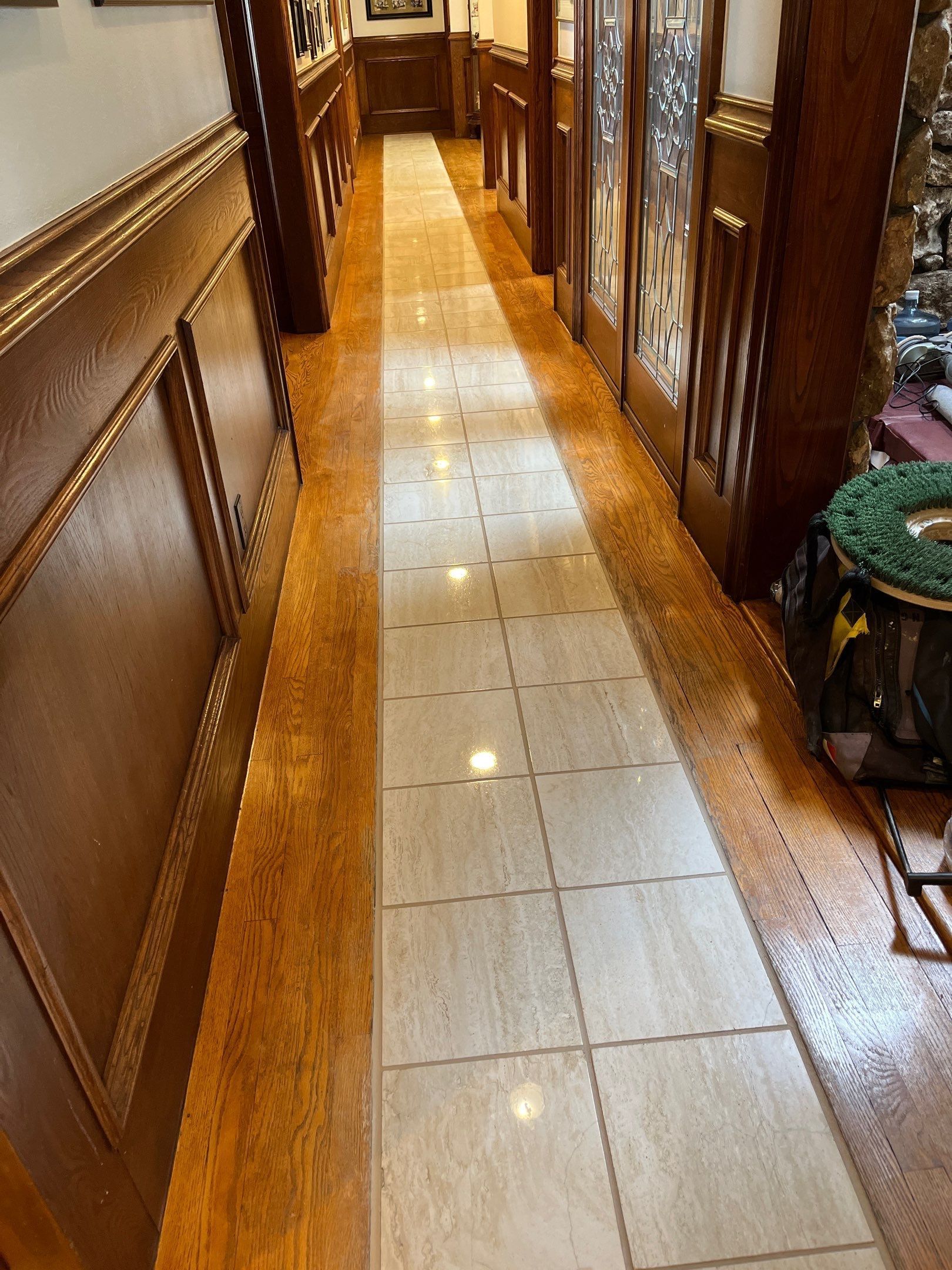
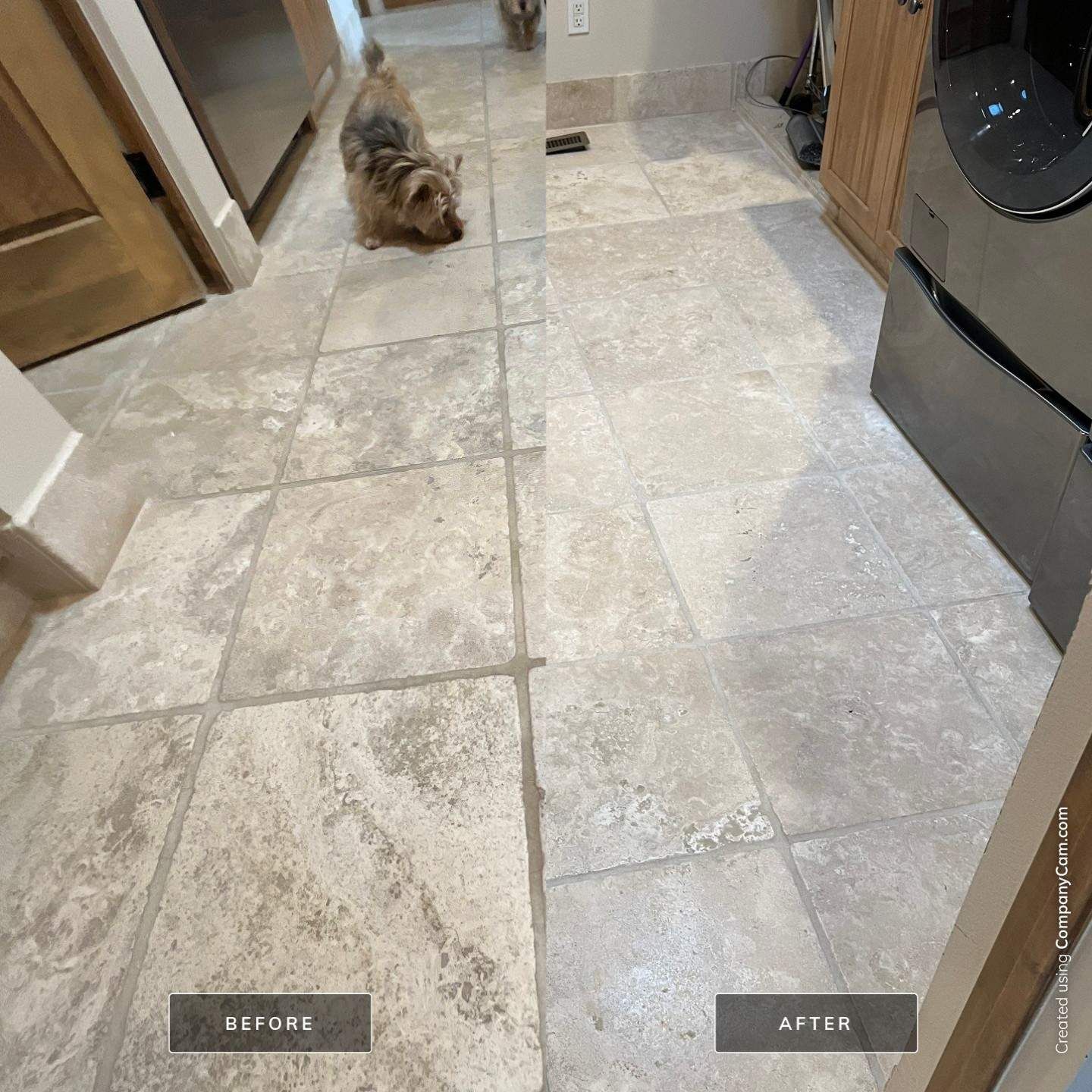
Travertine – Restoration & Polishing
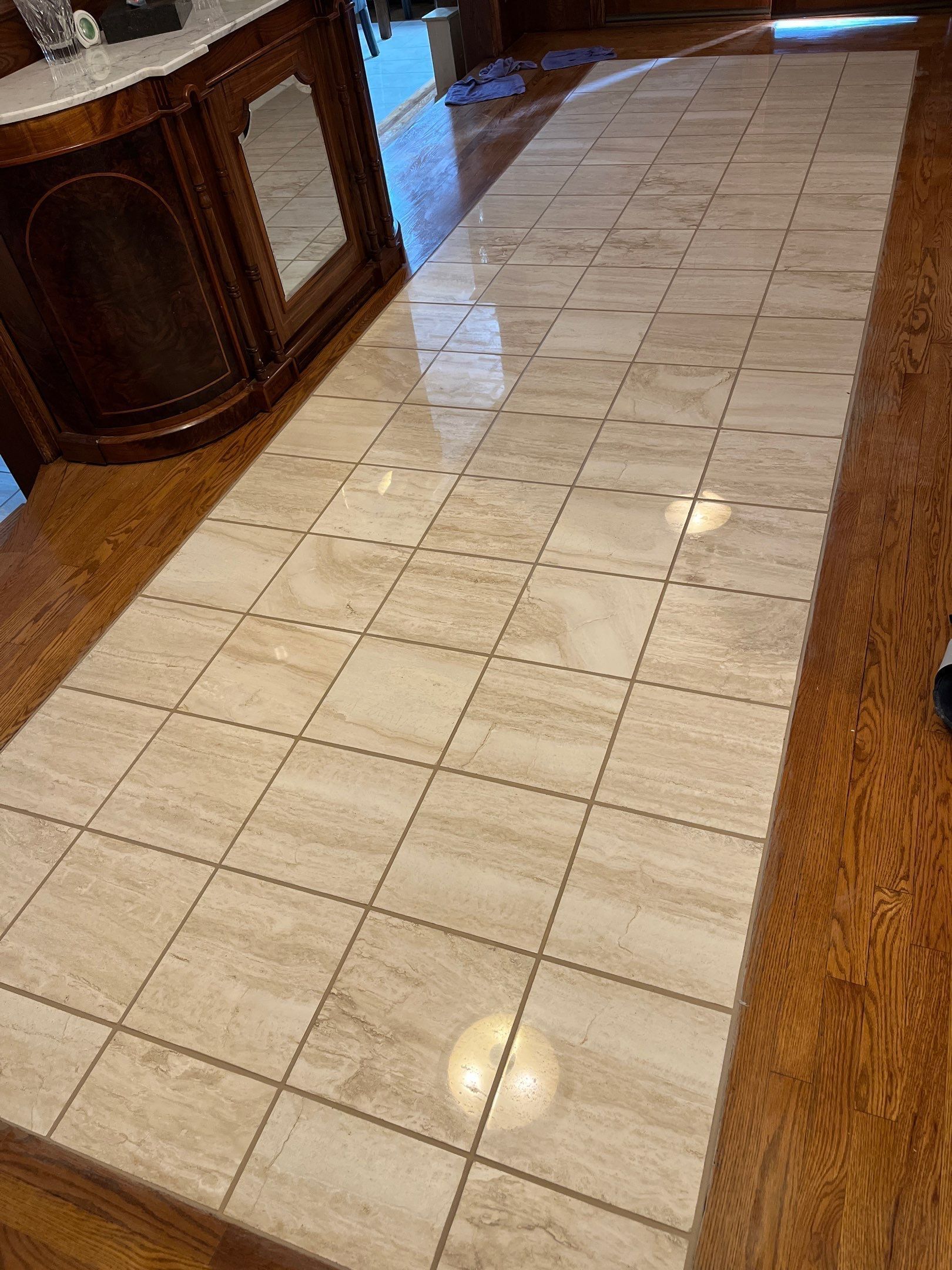
Travertine walkways restored and polished with careful masking to protect the surrounding flooring and walls.
➜ Littleton, CO
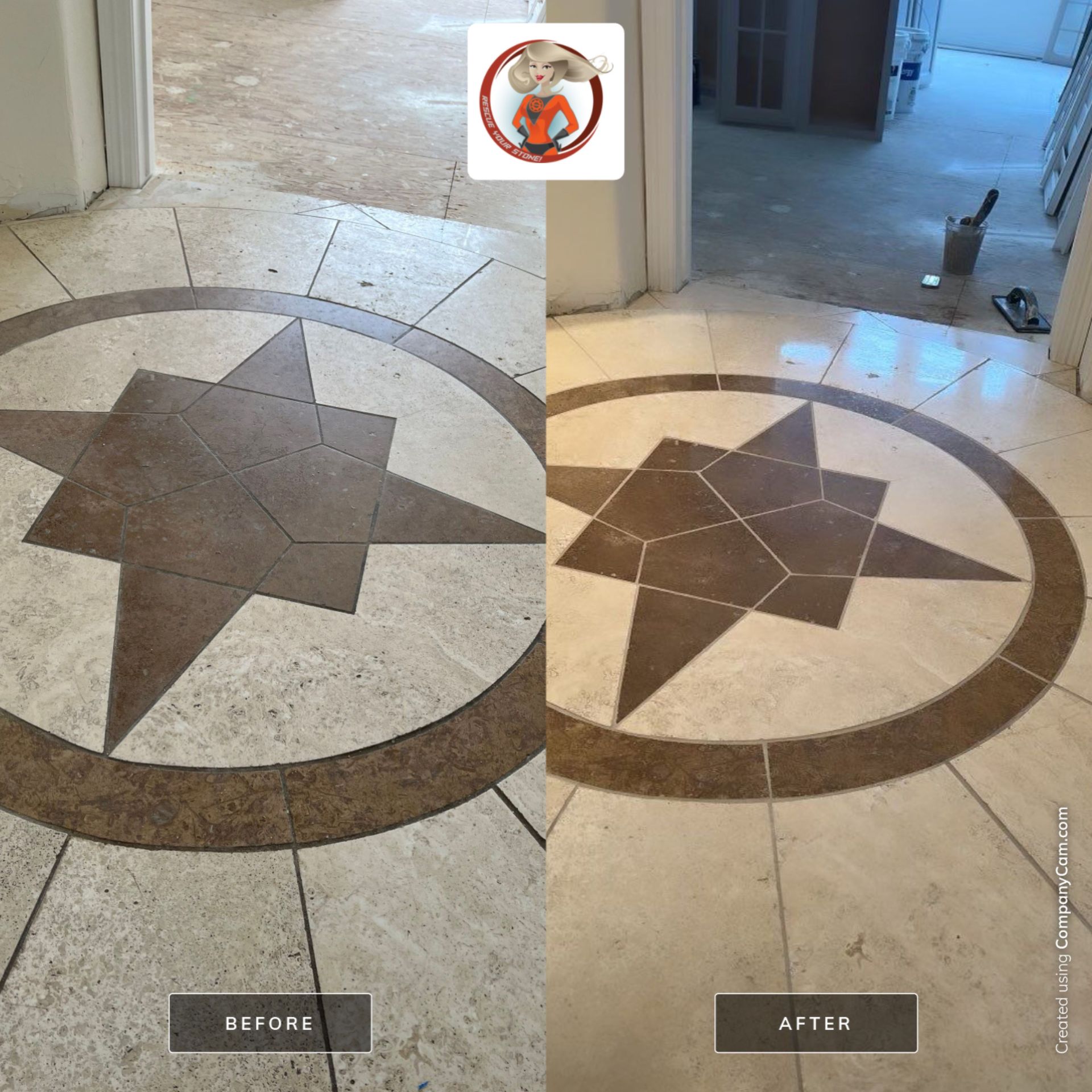
Travertine – Entryway Hole Filling & Polishing
Open holes filled with color-matched resin and grout patched before the entry floor was repolished and sealed.
➜ Aurora, CO
★★★★★
“Josh with Colorado Stone and Tile Care did an amazing job deep cleaning, honing, repairing, and then finally polishing and refinishing our travertine floors. He and his team were professional, responsive and knowledgeable about the specific type of flooring we have that have never been cleaned before. We are pleased with the results and highly recommend them.”
— Karen Davis · Google Review
➜ Free Project Estimates
Ready to Restore Your Natural Stone?
From minor surface repairs to complete stone restoration, Colorado Stone & Tile Care can help you find the right solution for your project. Tell us what your surface needs, and we'll help you explore your options.
Complimentary Project Estimates · Fully Insured · 15+ Years of Stone-Care Expertise · Mon–Fri 8:00 AM–5:00 PM